All Categories
Featured
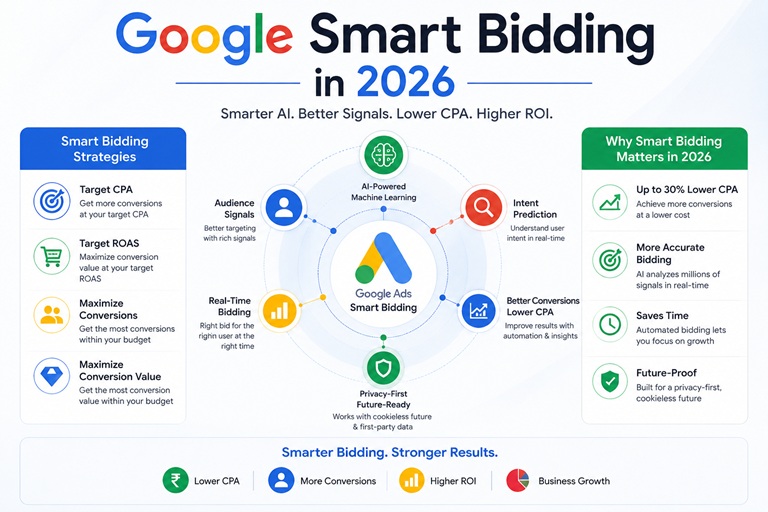

Leveraging Future-Proof Analytics for Better PPC Results
Table of Contents
My 2 personal takeaways from this and other interviews I've done: 1. AMAZING how organization ownership forces rapid individual, mental, and emotional growth. Even because we recorded this a couple of months ago I'm miles ahead of where I was in this minute.
My background is super charming, however the canvas you see to my left bottom (on my right in reality), painted by my son, does not quite appear as the Red Bike Advisors brand as he planned. Most likely time for a bit of a cleanup back there. Watch here!.
Marketing Automation WorkflowsGoogle Advertisements tracks lots of numbers. The ones that matter depend on your project objective. Profits projects enjoy ROAS and CPA. Awareness projects track impressions and CTR. This guide breaks down the key metrics and reveals you how to act upon each one.-- Metrics inform you whether your invest is working.
Can AI Modeling Reduce CPA in 2026?
Per Google's Ads Assist Center, the metrics you must focus on depend on your goal. Running a profits campaign? See ROAS and CPA. Structure brand awareness? Concentrate on impressions and reach. Driving leads? Conversions and conversion rate are your main signals. Going after engagement? CTR tells you whether your ads are resonating.
Track what aligns with your objective. Every dollar you spend generates information. Metrics surface where that information points: which keywords waste budget, which ads pull clicks, which landing pages kill conversions. Without a metrics routine, optimization is guesswork.-- These are top-of-funnel numbers. They inform you how typically your advertisement appears and how typically people act upon it.
High impressions matched with low clicks is an indication. Your advertisement isn't compelling, or you're targeting the incorrect audience. Impressions alone don't signal success, however they set the baseline for whatever else. CTR is clicks divided by impressions. Per Google Ads documentation, 5 clicks on 100 impressions equals a 5% CTR.
It feeds into Ad Rank, which figures out where your ad appears in the auction. Advertisements that regularly make clicks signal to Google that your content matches searcher intent.
Conversions foot the bill. A conversion is any action you define: a purchase, a type fill, a telephone call. Conversion rate is conversions divided by qualified clicks. Per Google's Ads Assist Center, this metric tells you how frequently a click becomes the result you want. A low conversion rate typically points to a landing page problem, not an advertisement problem.
Cutting Acquisition Costs Through Better CRO
If your Certified public accountant surpasses what a consumer is worth to you, the project needs work. Per Google Ads documentation, a 500% ROAS implies you earn $5 in profits for every $1 invested.
One essential note: you require conversion tracking set up in Google Advertisements before these metrics appear. Without it, you can not measure Certified public accountant, ROAS, or conversion rate precisely.

-- These tell you how you're doing relative to other advertisers going after the very same audience. Impression share is the percentage of qualified impressions your ads in fact received. Per Google's Ads Assist Center, low impression share normally indicates you're losing exposure to budget plan constraints or low bids. Absolute leading impression share tracks how often your advertisement lands in the most popular position.
Marketing Automation WorkflowsSuccessful Growth Media Tactics for US-Based Campaigns
Quality Rating runs from 1 to 10. Per Google Advertisements documents, it's developed from 3 components: expected CTR, advertisement importance, and landing page experience. Each component is rated above average, average, or below par compared to other marketers over the last 90 days. Quality Score is a diagnostic tool only.

Utilize it to discover weaknesses in your copy, keyword targeting, or landing pages. Low impression show typical Quality Rating? Raise your budget plan. Below-average advertisement importance? Your keywords and advertisement copy aren't lined up. Below-average landing page experience? Fix the page. Each metric indicate a specific repair.-- Knowing the metrics is action one.
Inspect the metrics that match your objective first. Don't chase after CTR if your goal is CPA. Set a reporting regimen: weekly for active projects, month-to-month for evergreen ones. Consistency beats periodic deep dives. A lot of CTR and conversion rate issues come from weak imaginative or copy. Test a new headline. Swap in a stronger image.

Latest Posts

Optimizing PPC Success With Advanced AI
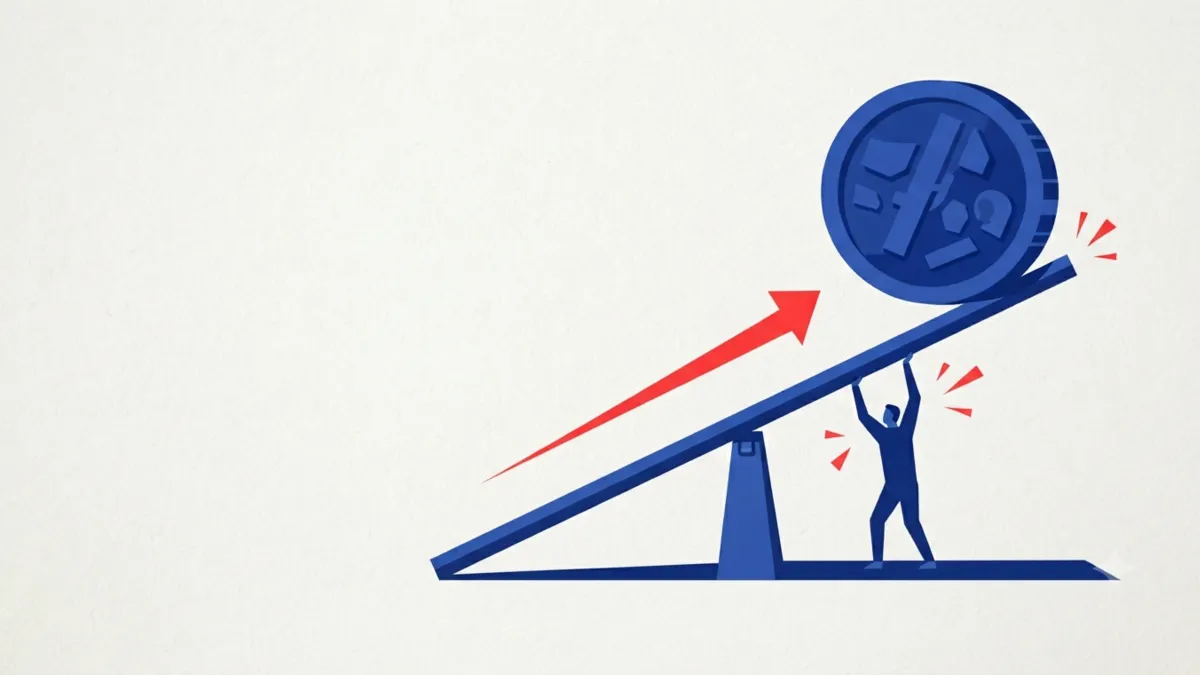
2026 Google Ads Tactics to Drive Lower CPA
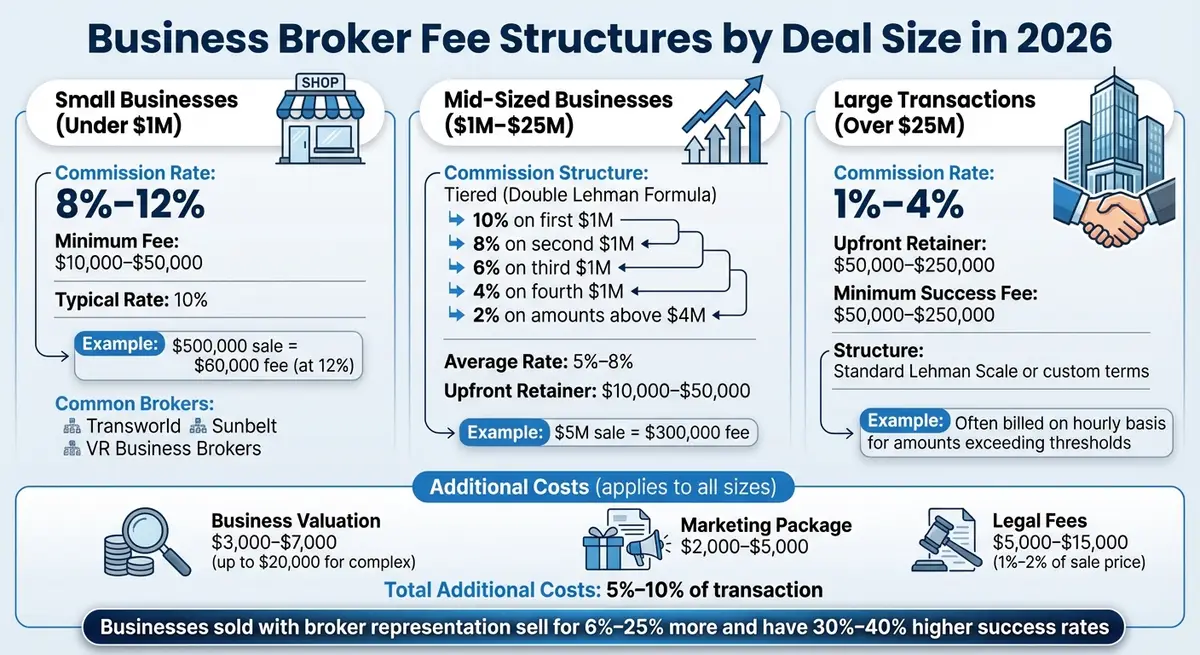
Can AI Data Lower CPA in the US?