All Categories
Featured
Maximizing Search Ads ROI With 2026 Marketing Tactics
Table of Contents
Impressions and clicks look good. CPA informs the reality.-- The math is straightforward. Spend $500 and generate 25 purchases. Your CPA is $20. Compare that to your margin per sale. If each sale returns $45 earnings and your CPA is $20, the project is working. If CPA climbs up to $50, it is not.
[target2:anchor_exact1]Issues hide at the advertisement level and only show up in overalls.-- Per the Facebook Business Assist Center, Advertisements Supervisor lets you view spend, engagement, and cost per conversion side by side.
Select. Look for or. Add the metric, then click. Your certified public accountant now appears next to every campaign, advertisement set, and ad in the table. Sort by expense per result to instantly identify your worst and best performers. Advertisements Reporting goes much deeper than the standard table view. It breaks CPA down by time duration, positioning, audience segment, and device type.

Effective Growth Marketing Strategies for US-Based Businesses
Gain Access To Advertisements Reporting from the menu inside Service Supervisor. Develop a customized report, filter by your conversion occasion, and export to CSV whenever you require to share results.-- Without the Meta Pixel on your website, Facebook can not connect ad clicks to on-site conversions. No conversions tracked suggests no certified public accountant reported.
Install the Pixel on your website before you release any conversion project. Pick how you desire to report your conversion events. Standard occasions are predefined actions that Meta acknowledges by name. Typical ones include Purchase, Lead, ViewContent, and AddToCart. Use basic events whenever your action fits one of these categories.
Some companies have conversion actions that do not match a basic occasion. Custom-made events let you name and fire an occasion for any particular action on your website, then use that event as an optimization target. Customized conversions track check outs to specific URLs without additional code.
Cutting Customer Costs Through Better Conversion Tactics
Keep your conversion rules basic and aligned with Meta's policy standards.-- CPA is one of a number of cost metrics in Ads Manager. Understanding the distinction prevents misreading your outcomes.
A high CPM project can still produce a strong certified public accountant if the imaginative and offer transform well. Concentrate on certified public accountant when your objective is conversions. CPC determines cost per click, not cost per conversion. A $0.40 CPC looks effective. If only 1 in 50 clicks converts, that is a $20 CPA.
Cost per outcome is Meta's native label for Certified public accountant inside Advertisements Supervisor. In a Lead project it shows as expense per lead.
[target2:anchor_exact1]-- Lower CPA originates from 2 locations. who sees your advertisements and what those ads show them. Start with your existing clients. Construct Lookalike Audiences from your purchaser list. Leave out individuals who already converted so you do not pay to reach them two times. Test Benefit+ audience settings against manual targeting and compare certified public accountant straight.
Reducing Acquisition Costs Through Better Conversion Tactics
Creative tiredness is one of the fastest methods to see Certified public accountant increase. When advertisement frequency climbs up and CTR begins to fall, costs follow.
-- Tracking Certified public accountant is step one. Spot high-CPA advertisement sets at a glance. See which creatives are driving conversions and which ones are burning budget.
Smart Resize adjusts it to every positioning immediately. AI Rewrite ad copy refreshes your copy without losing the message. Fresh creatives keep frequency down and CPA in check.--.
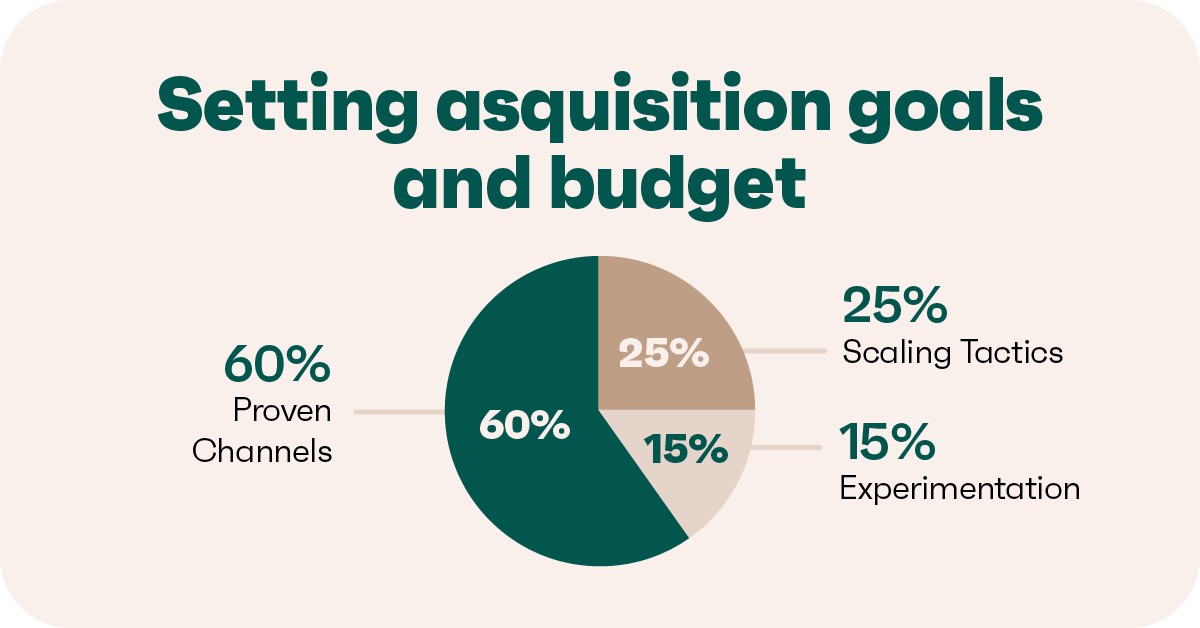
As an online marketer I'm continuously asked "Just how much do you believe we should spend on Facebook Ads?" A valid concern, particularly for someone who hasn't ran paid ads before because no one understands where to start??? so we run each individual through the precise very same extremely easy formula (as seen below).

Latest Posts

Optimizing PPC Success With Advanced AI
2026 Google Ads Tactics to Drive Lower CPA
Can AI Data Lower CPA in the US?