All Categories
Featured
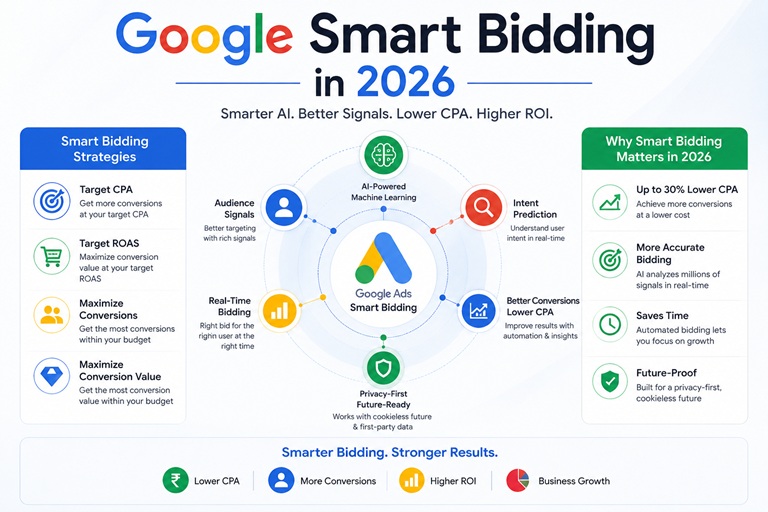

Modern Steps for Improving Ad Performance
Table of Contents
Conversion rate optimization (CRO) is the procedure of improving a site or digital product to increase the percentage of users who complete a wanted action, whether that's purchasing, registering, scheduling a demo, or relocating to the next step in a funnel. Typically, CRO has actually been specified as customizing elements on site pages to increase conversion rates.
Since real CRO isn't about randomly tweaking buttons or rewording headlines. It's about comprehending user behavior, forming data-backed hypotheses, and running controlled experiments to discover what in fact works. That's where the contemporary view of CRO comes in. In many companies, CRO is treated as a marketing method. Traffic comes in, and the objective is to "transform more of it." So groups test headings, change CTA colors, or shorten kinds, hoping to enhance the portion of visitors who transform.
However without structure, this approach often becomes guesswork: small changes, inconsistent results, and little long-term knowing. Which is why experienced CRO specialists progressively choose another term: Experimentation is the procedure of screening data-driven hypotheses by running controlled experiments. Rather of asking, "How do we increase conversions?" the concern ends up being: "What do we believe is preventing users from transforming, and how can we test that belief?" Experiments include altering specific aspects of a website or item in order to confirm (or revoke) a plainly defined hypothesis.
One of the results of that learning is frequently higher conversions. Conversion lift is a byproduct, not the sole purpose. If you desire a much deeper breakdown of how structured experimentation operates in practice, we've outlined it step by action in our guide to constructing an item experimentation framework. At its core, experimentation counts on the clinical approach: Form a hypothesis based on information Design an experiment to test it Run the test Examine the results Apply the knowing and repeat It's less about "optimizing pages" and more about developing a repeatable system for making better choices.
Landing Page Alignment for PPCProven Ways to Slash PPC CPA
When CRO is minimized to "enhancing conversion rates," teams often: Run tests without strong hypotheses Change components without determining effect Focus only on short-term gains Overlook why a variation won or lost However when CRO is approached as experimentation, it becomes a discipline. A method to lower threat, replace assumptions with evidence, and produce a culture where decisions are evaluated rather of disputed.
Which difference shapes whatever else in this guide.
Landing Page Alignment for PPCThink about your CRO method as the fuel that powers a successful lead management strategy. Scenario A - Person X has an interest in the type of products you offer or services you use might have arrived on a particular page on your site after a search. They browse, aren't able to find the details they were looking for and leave.
AI-Driven Analytics to Boost 2026 Performance Growth
The relationship ended before you even had a chance to begin. Circumstance B - Same Person X has an interest in the type of products you sell or services you offer may have arrived at a specific page on your site after a search. As the savvy marketer you are, you have actually been taking notice of how users connect with this page.
Simply like that, you used information to develop a conversion opportunity and produced a brand-new lead. It's typical knowledge that creating leads is an essential part of business; nevertheless, not everyone understands how to go about converting these leads into real sales.
Service? Develop an extensive lead nurturing technique to assist you progress those leads further down the purchaser's journey up until they are ready to give you their organization. When carried out properly, a lead nurturing method can enhance lead-to-customer conversion rates, lower the cost of client acquisition, and speed up the sales cycle.
Using Predictive Models to Optimize Media Spend
Think of your CRO method as the fuel that powers a successful lead management method. Situation A - Individual X has an interest in the kind of items you sell or services you provide may have landed on a specific page on your website after a search. They take a look around, aren't able to discover the information they were searching for and leave.
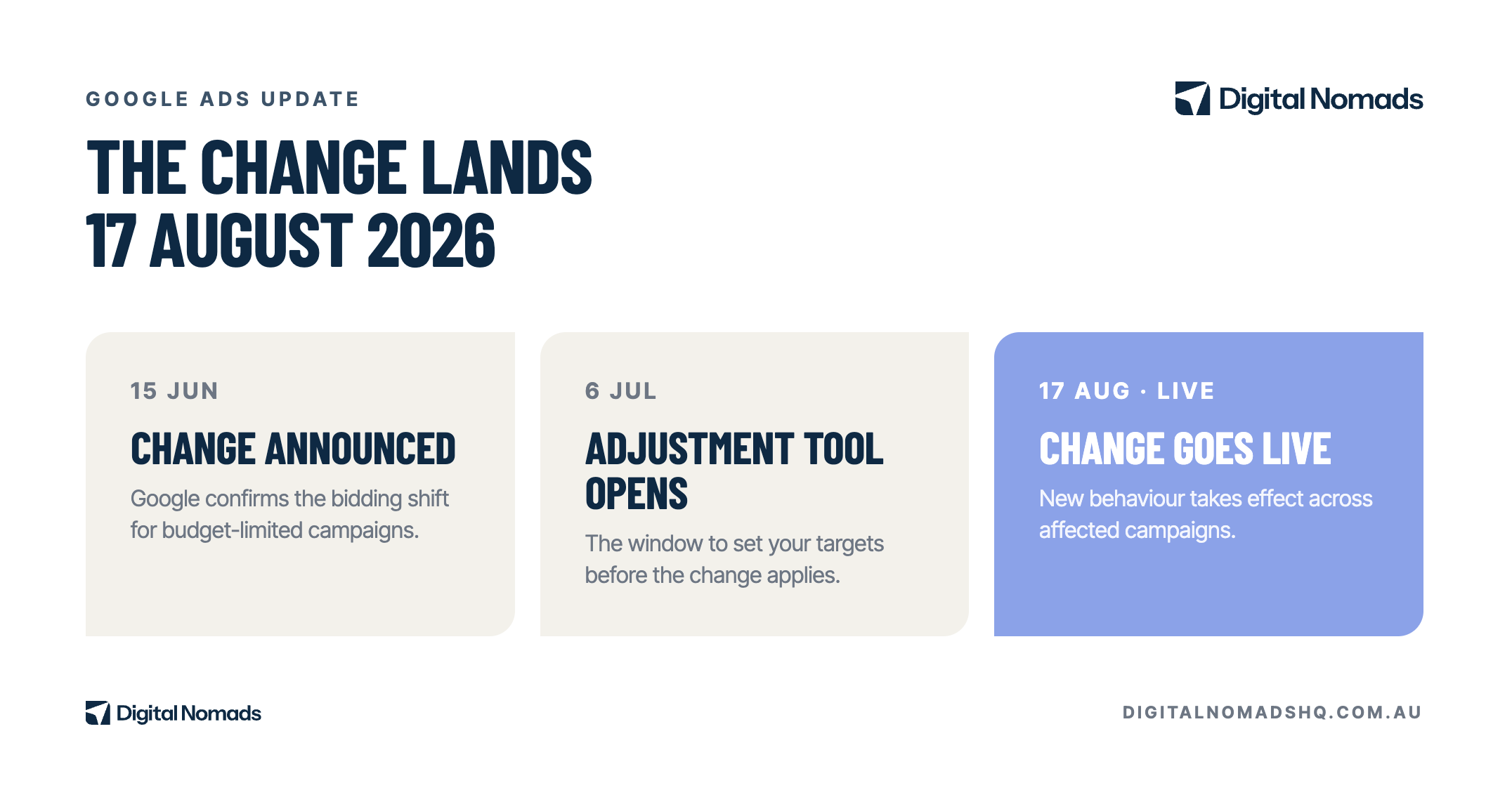
The relationship ended before you even had an opportunity to start. Circumstance B - Exact Same Individual X is interested in the type of items you offer or services you provide might have arrived on a specific page on your site after a search. As the savvy marketer you are, you have been paying attention to how users engage with this page.
You then produce an exit pop-up offering Individual X a guide on how to fix the challenges they are presently dealing with. Individual X completes the form and downloads the guide. Easily, you used information to create a conversion chance and generated a brand-new lead. Now what? It's common knowledge that creating leads is a vital part of organization; however, not everybody knows how to set about transforming these leads into actual sales.
Advanced Analytics to Boost 2026 Paid Growth
Option? Develop a comprehensive lead nurturing strategy to assist you advance those leads further down the purchaser's journey until they are prepared to provide you their organization. When implemented properly, a lead nurturing technique can improve lead-to-customer conversion rates, lower the cost of customer acquisition, and speed up the sales cycle.

Latest Posts

Optimizing PPC Success With Advanced AI
2026 Google Ads Tactics to Drive Lower CPA
Can AI Data Lower CPA in the US?